Model Train Set: A Plain-English Guide
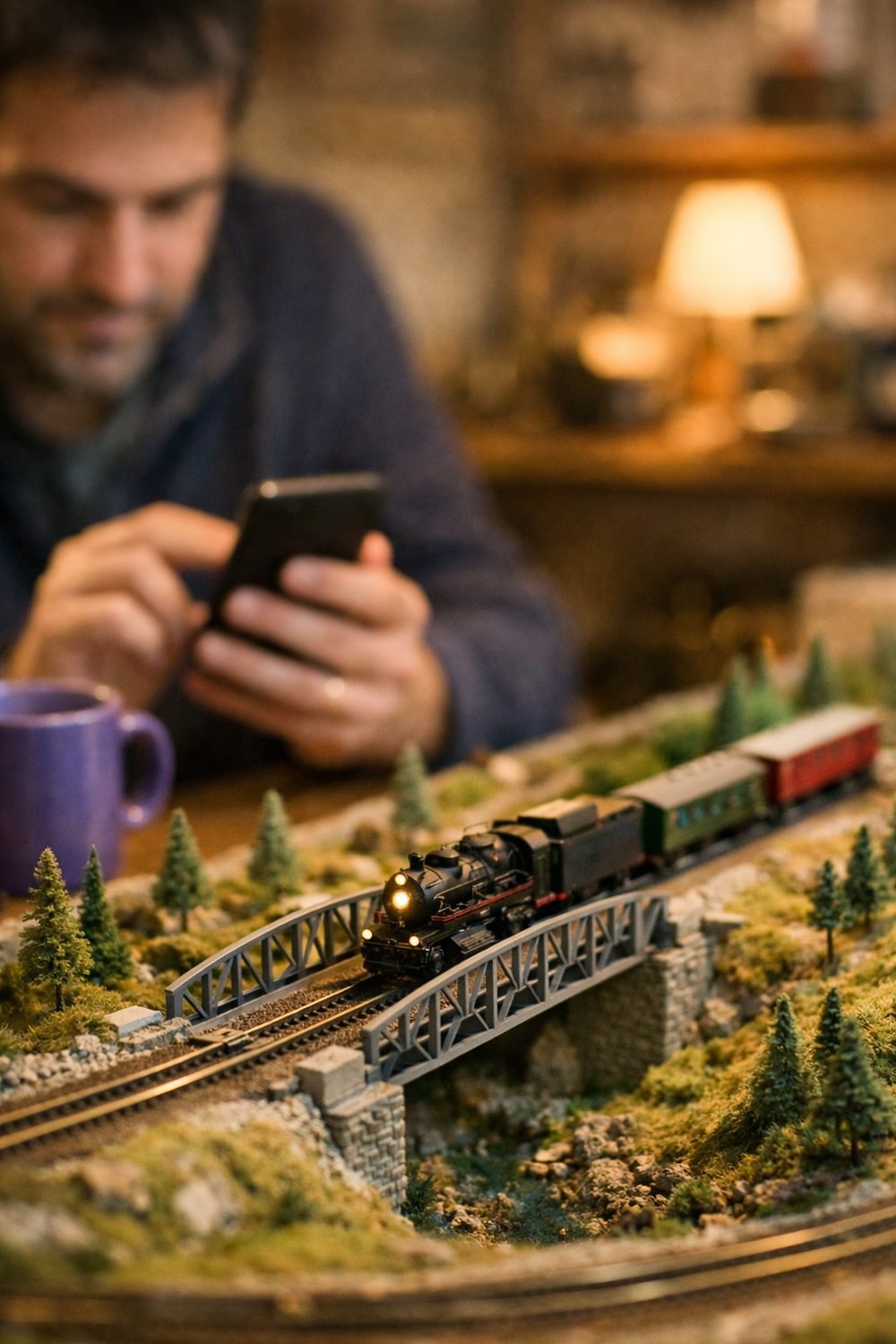
A model train set, whether from Bachmann Trains or another maker, is a long hobby, so start small. That can sound dull when you're standing in a shop staring at a box with a shiny engine on the front. But the people I know who stuck with trains all began with one loop of track on the floor. The ones who quit usually bought a giant layout plan first and never finished it.
This guide covers the plain stuff nobody explains well: what scale means, how track and power work, how much room you really need, and how to grow a set without wasting money. Here is also what you can skip.
Short on time? Our top picks: Bachmann Trains, Lionel, Hornby and Kato. See all picks
Quick summary
- Pick a scale first. Everything else you buy has to match it.
- Check that the box includes track, power, and a controller, or plan to buy them.
- Battery sets are simple for kids. Transformer sets run smoother and longer.
- Measure your space before you buy, then add a little extra room around the edges.
- Choose a set from a brand line you can add to later.
- Read the age rating on the box, and check small parts warnings for young kids.
- Start with a basic oval. Add switches and scenery once you know you like it.
What a model train set actually comes with
Most starter sets, including any basic electric train set, follow the same idea. You get an engine (the locomotive), a few cars, a loop of track, and some way to power it. That's the core. Some boxes add a little station, a tunnel, or a bag of plastic trees.
What changes a lot from box to box is the quality of those parts. One set might give you snap-together track with a built-in roadbed. Another gives you thin metal rails that need to sit on a flat board or they'll wobble apart. The photo on the front won't always tell you this, so read the side and back of the box, or the seller's product page.
Ready-to-run vs. kits
A "ready-to-run" set is what it sounds like. Open it, snap the track, plug in, go. A kit asks you to build some or all of the pieces yourself, sometimes with glue and paint.
For a first set, I'd go ready-to-run almost every time. Building plastic model kits is a lovely part of the hobby, but it's a separate skill. If you try to learn both at once, you may end up with a half-glued boxcar and no running train, which takes the fun out of it fast.
Scale: the first choice when buying a model train set
Scale is the size of the model compared to a real train. It matters more than anything else, because track, buildings, and extra cars all have to match. You can't run an engine from one scale on track from another.
Here are the names you'll see most often, from biggest to smallest:
- G scale: Big, chunky trains often used outdoors in gardens. Tough and easy for small hands, but they take a lot of room.
- O scale: Large and classic. Lots of people picture these circling a holiday tree.
- HO scale: The middle size and very popular. Plenty of track, cars, and scenery are made for it.
- N scale: Small. You can fit a lot of railroad in a modest space, but the pieces are fiddly.
- Z scale: Tiny. Fun to look at, tricky to handle.
How to pick a scale without overthinking it
Ask yourself two things. How much space do you have, and how good are your eyes and fingers? If you've got a spare floor and a young kid, bigger scales are easier and harder to break. If you're an adult with one shelf and a lot of patience, N scale lets you build a bigger scene.
HO is the safe middle pick for most beginners. It's not too small to handle, and you'll rarely struggle to find matching parts. That's honestly a good reason to start there.
One thing I'd skip: buying a scale just because a certain engine looks cool. Fall for the scale that fits your room, then find a cool engine in it.
Track: included, extra, and what kind
Check the box for what track comes with the set. Most starter sets include a simple oval. Some only include enough for a small circle, which gets boring quicker than you'd think.
Track with a roadbed vs. bare track
Track with a built-in base (often a gray or brown plastic strip under the rails) clicks together firmly. It's great on carpet or a table, and kids can set it up alone. Bare track looks more realistic, but it really wants to be screwed or pinned down to a board so the joints stay tight.
If you're setting up on the floor and taking it down after, go with roadbed track. Bare track can keep sliding apart every time someone walks past, so secure it.
Curves and switches
Curves come in different tightness. A sharper curve saves space, but long engines and cars may derail on it or look a bit silly. If a set says something like "minimum radius," that's the tightest curve its trains can handle. Note it down before you buy extra track.
Switches (also called turnouts) let the train change from one track to another. They're the first add-on most people want, and they make a plain oval feel alive. Just don't buy five of them at once. One or two will teach you a lot.
Power: battery or transformer
This is where sets differ a lot, and it changes how the train feels to run.
Battery-powered sets
Battery sets put the batteries in the engine or in a handheld remote. There's no cord to trip over and nothing plugged into the wall. That's why they're common for younger kids.
The downside? Batteries run out, and the train often slows down as they get weaker. Some battery trains also only run on their own special track. If you want to grow a big layout later, check whether the battery set connects to a wider product line.
Transformer-powered electric train set options
These plug into the wall. A power pack (sometimes called a transformer or controller) sends low power through the rails, and the engine picks it up through its wheels. You control speed with a knob or dial.
They run smoother and for as long as you like. They're the normal choice once you go past toy-level sets. For anything that plugs into the wall, follow the safety notes in the manual, and have an adult handle setup for kids.
A quick word on DCC
You'll see "DC" and "DCC" on boxes. Basic DC means the whole track gets the same power, so trains all move together. DCC is digital control, letting you run more than one train on the same track separately, and sometimes add sounds and lights.
DCC is neat, but I think it's overrated for a first set. It costs more and adds things to learn. Plenty of people enjoy years of plain DC running. You can switch later if the hobby grabs you.
Space: measure before you fall in love with a box
The box usually lists the size of the oval when it's set up. Get a tape measure and check your spot. Then add some space around it, because you need room to reach in, fix a derailment, and not knock everything off with your elbow.
Where people actually put their trains
- The floor: Free and roomy. Pets and vacuum cleaners are the enemy here.
- A table or desk: Easier on your back. Make sure you can reach the middle.
- A board on sawhorses: A cheap step up. It can be moved or stored.
- A shelf layout: Long and narrow, good for small apartments and small scales.
- Around a holiday tree: Classic, temporary, and very fun.
A small story: my first table layout was pushed against a wall. It looked great. Then a train derailed in the back corner and I had to crawl across the whole thing to reach it. If you can, leave access from at least two sides, or keep it narrow enough to reach from the front.
Think about storage too
If your train comes down after every use, keep the original box. Track sorted in bags by type (straight, curved, switches) makes the next setup much faster. It also helps to jot down which pieces make which shape, so you're not guessing every time.
Comparing a few common model train set starters
Here's how different types of sets tend to compare. These are general patterns, not claims about any one brand. Always check the actual product details before you buy.
A simple battery toy train vs. a basic HO set
The battery toy train is quick, sturdy, and kid-friendly. It's perfect for a five-year-old who wants to watch a train go round. But it may hit a ceiling fast, since there are fewer add-ons and the look is more toy than model.
The basic HO set takes a bit more care. Track needs to sit flat, and small parts can break if dropped. In return you get a set that can grow for years, with way more choice in cars and scenery.
A large outdoor set vs. a small N scale shelf
Outdoor sets handle weather better and look amazing curving through a garden. They also cost more space, more effort, and more money per piece. An N scale shelf is the opposite: tiny, indoor, and detailed, but harder for big fingers or tired eyes.
Neither one is "better." They suit different people, and you'll probably know which one sounds like yours.
Growing your model train set without wasting money
Expansion is half the fun. It's also where people spend money they regret. Go slow and add one thing at a time, then run the train for a while before buying the next piece.
A sensible order to add things
- More track to make the oval bigger, or a few straights to stretch it.
- One or two switches and a short siding (a dead-end track to park cars).
- A few extra cars that match your engine's era or style.
- Simple scenery: a station, a couple of buildings, some trees.
- A second engine, once you want more than one train.
Before buying any add-on, check that it matches your scale and track system. Same scale doesn't always mean the track pieces will join, because different brands sometimes use different connectors. The seller's page or the store staff can usually tell you.
Keep track of what you own
Once you've got a box of pieces, it's easy to buy a second copy of something you already have. Keep a running list of your cars, track pieces, and wish list. If you like doing that on paper, the Gaming & Hobbies Journal below this post has room for notes like that, along with your other hobbies.
And if you're the sort who likes building your own games too, our free Blank Board Game Board and 10 Card Templates come with joining the email list, which is a fun rainy-day project for train fans who want to make a little railroad board game.
Age rating and safety on the box
Check the age rating printed on the box before buying for a kid. It's there for real reasons. Smaller scales have tiny parts that can be a choking risk for young children, and plug-in sets need grown-up help with power.
Matching the set to the child
For little kids, look for sturdy toy-style trains made for their age, such as wooden sets from Brio. For older kids, a basic electric set can be a great shared project with an adult. Let them run it with you nearby for the first few sessions, then hand over more control as they get the hang of it.
For adults, the age rating still matters if younger kids or pets live in the house. Tiny parts end up in strange places.
Common model train set mistakes
Most of these are common mistakes, so no judgment here.
- Buying the biggest set first. A huge box feels exciting, then it sits in the closet because setup takes an afternoon. Small sets get used more.
- Mixing scales by accident. That cute engine at a yard sale might be the wrong size. Check before you pay.
- Ignoring curve limits. Long engines on tight curves derail, and it's frustrating.
- Setting track on uneven ground. Thick carpet and bumpy boards cause most derailments. A flat surface solves a lot.
- Never cleaning the track. Dust and grime make electric trains stutter. Check your manual for how to clean it properly.
- Planning the dream layout before running a single train. Run the oval for a few weeks. You'll learn what you actually enjoy.
- Losing the manual. It has the safety info, care tips, and part numbers. Keep it in the box.
Making it a regular habit
The sets that bring the most joy are the ones that get run often. Some families have a "train night" once a week. Others set up the loop every winter. One of the best parts is just a quiet half hour watching a train go round with a cup of tea.
If you mix trains with game nights at home, you might like the Game Night Calculator and Tracker Spreadsheet below this post. Some people use it to keep score when they turn running trains into little challenges, like timed deliveries between sidings.
Model train sets worth a look
Here are some well-known brands that beginners often start with. Each one suits a different space, budget and age, so match the pick to your scale and room first.
Bachmann Trains
A long-running maker with ready-to-run sets in several scales, including HO and G. It suits beginners who want a boxed starter and room to add more later. Check which scale and track type the specific set uses before buying add-ons.
Lionel
Known for classic O gauge style trains, the kind many people picture circling a holiday tree. It suits families who want a showpiece and a train with that traditional look. Check the track system and power requirements, since some lines use their own connectors.
Hornby
A British brand with starter sets, track and scenery, popular with people who like UK-style railways. It suits beginners who want a complete set from one line. Check that the scale and era match the cars and buildings you plan to add.
Kato
Makes N scale and HO trains and track, often chosen for small spaces. It suits adults who want a detailed layout on a shelf or small table. Check the track pieces and curve sizes carefully, since small scales are fiddly to handle.
Bright
This is a placeholder removed.
LEGO City Trains
Brick-built trains that kids can build and rebuild themselves. They suit younger children and anyone who likes building as much as running. Check the age rating and whether the set includes the motor and remote, or whether you need to buy them separately.
Brio
Wooden train sets with chunky track for toddlers and preschoolers. They suit little kids who want something sturdy that needs no wall power. Check that new pieces match the track style you already own.
Check current plans and prices on each brand's own site before you buy.
FAQ
What scale is best for a beginner?
HO scale is a common, sensible pick because it's a manageable size and has lots of matching parts. If you have little room, N scale may suit you better. For young kids, a larger toy-style train is usually easier to handle.
Can I use track from another brand with my set?
Sometimes, but not always. Even in the same scale, connectors and track bases can differ between brands. Check the product details or ask the seller before you buy.
Why does my train keep stopping or slowing down?
Common causes are dirty track, loose joints between track pieces, or weak batteries in battery sets. Try cleaning the rails as your manual suggests and pressing the joints together firmly. If it keeps happening, the manual or the maker's support page is the best next step.
Do I need DCC to enjoy model trains?
No. Lots of people happily run plain DC sets for years. DCC is a nice upgrade if you later want to run several trains separately, but it's not needed to start.
Your next step
Measure your space, pick a scale, and choose a small model train set you can add to. Then run it a lot before buying anything else. If you'd like a fun extra project for train days, grab the free Blank Board Game Board and 10 Card Templates by joining the email list. After that, take a look at the Gaming & Hobbies Journal and the Game Night Calculator and Tracker Spreadsheet below this post, and see if either one fits the way you like to play.
Printables and tools that can help
Game Night Calculator and Tracker Spreadsheet
A spreadsheet with a summary page and a calculator sheet. Works in Excel and Google...
See details